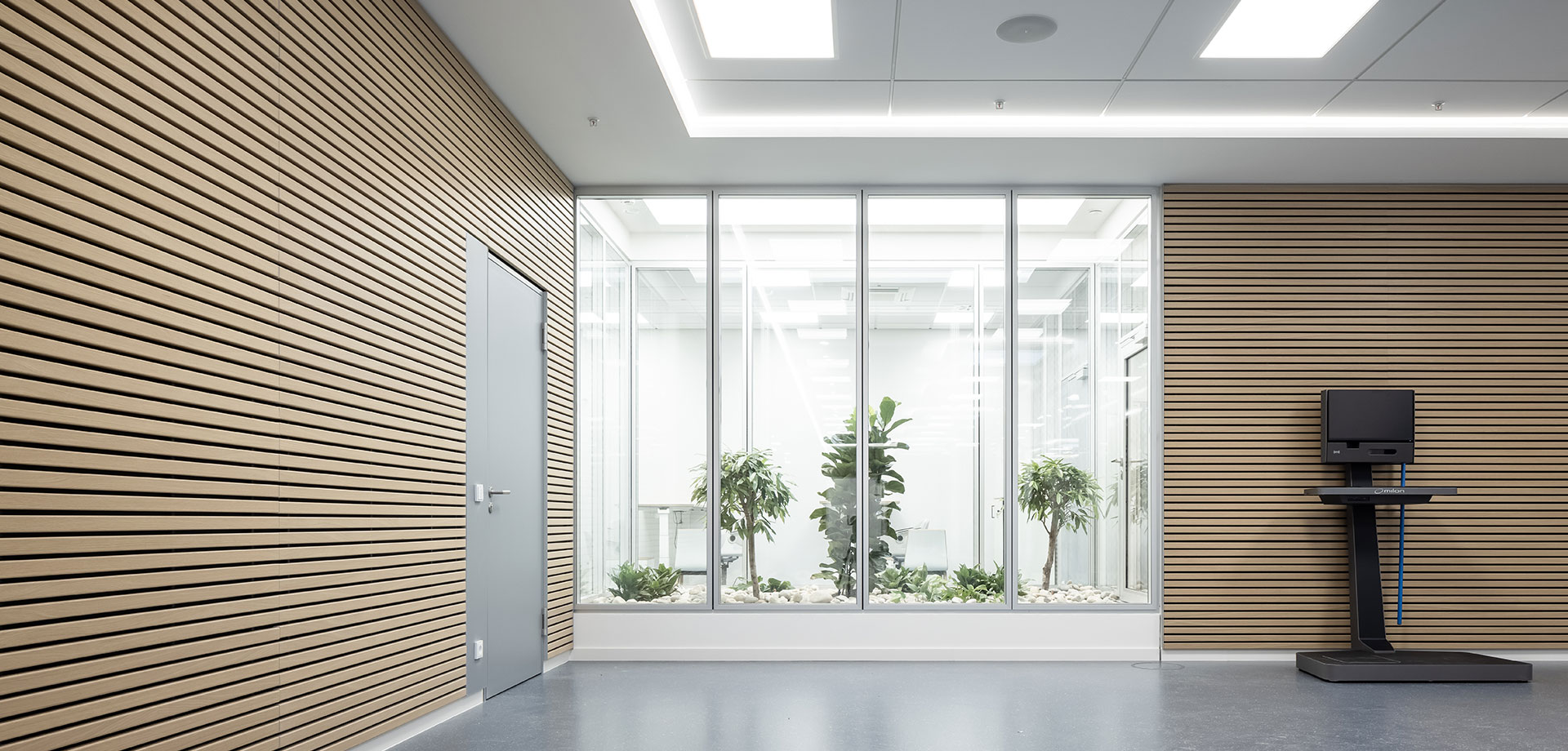
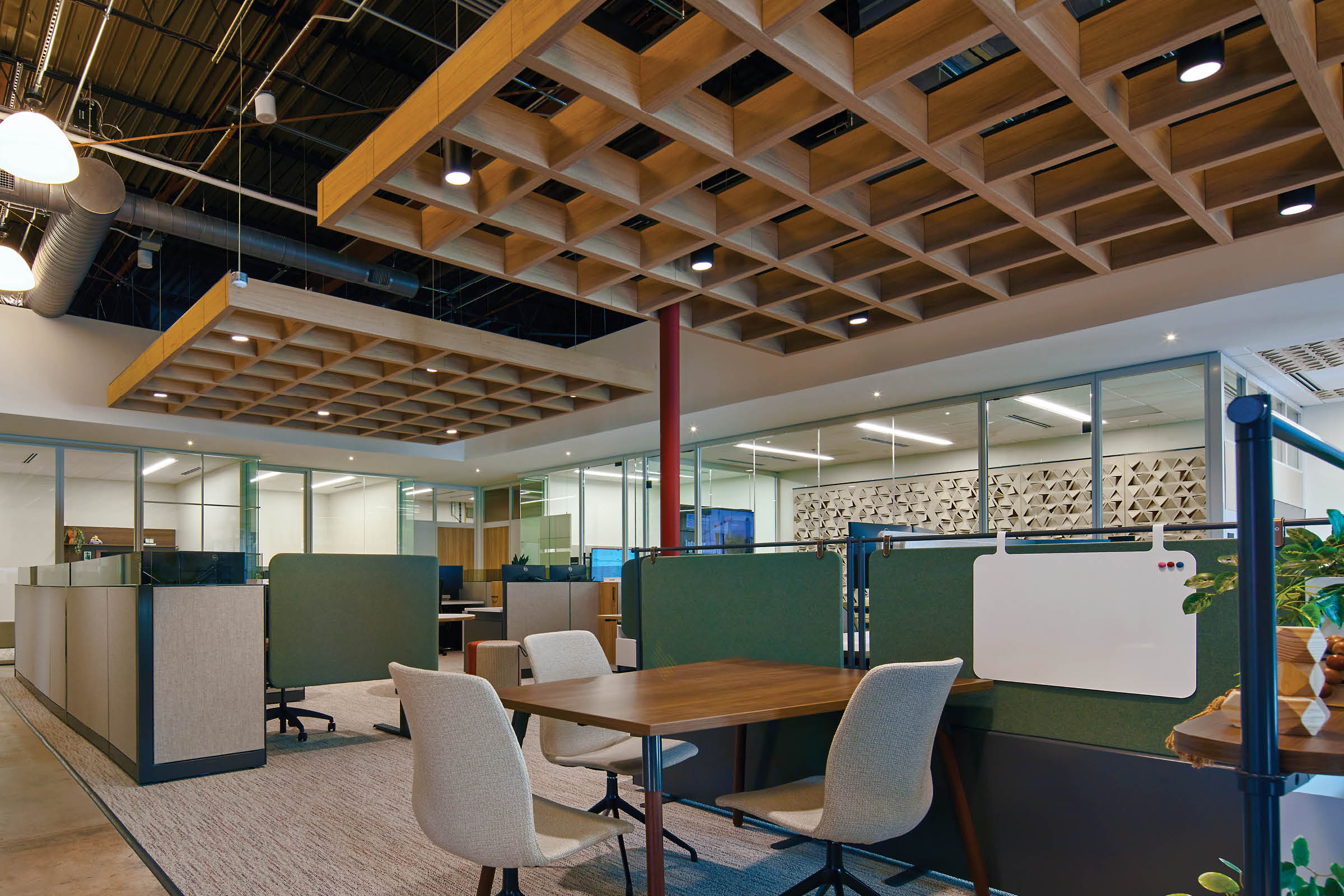
Commercial interior with lounge seating and natural light
Design Research

The Room Changes the Numbers.

Published workplace research ties light, sound, ergonomics, and layout to output, health, and retention. We plan commercial interiors around that evidence for projects across the country.

Evidence-Led Planning Product Specification Delivery & Installation
The Position

Furniture is a working condition.

Pay, management, and culture get the attention. But the physical room decides how long people can focus, how often they meet, and whether they stay comfortable enough to do either. That makes design a performance input, not decoration.

This page collects the evidence we plan against. The findings below come from published workplace research. We turn them into layouts, product specs, and installed rooms.

The Data

Four findings we keep planning around.

Different researchers, different settings, same conclusion: change the environment and measurable outcomes move with it.

32%

increase in employee satisfaction with access to natural light

Harvard Business Review
15%

productivity gain from improved indoor air quality

World Green Building Council
8.9%

faster patient recovery with views of nature

Ulrich, Science
25%

reduction in absenteeism with biophilic design

Human Spaces Report
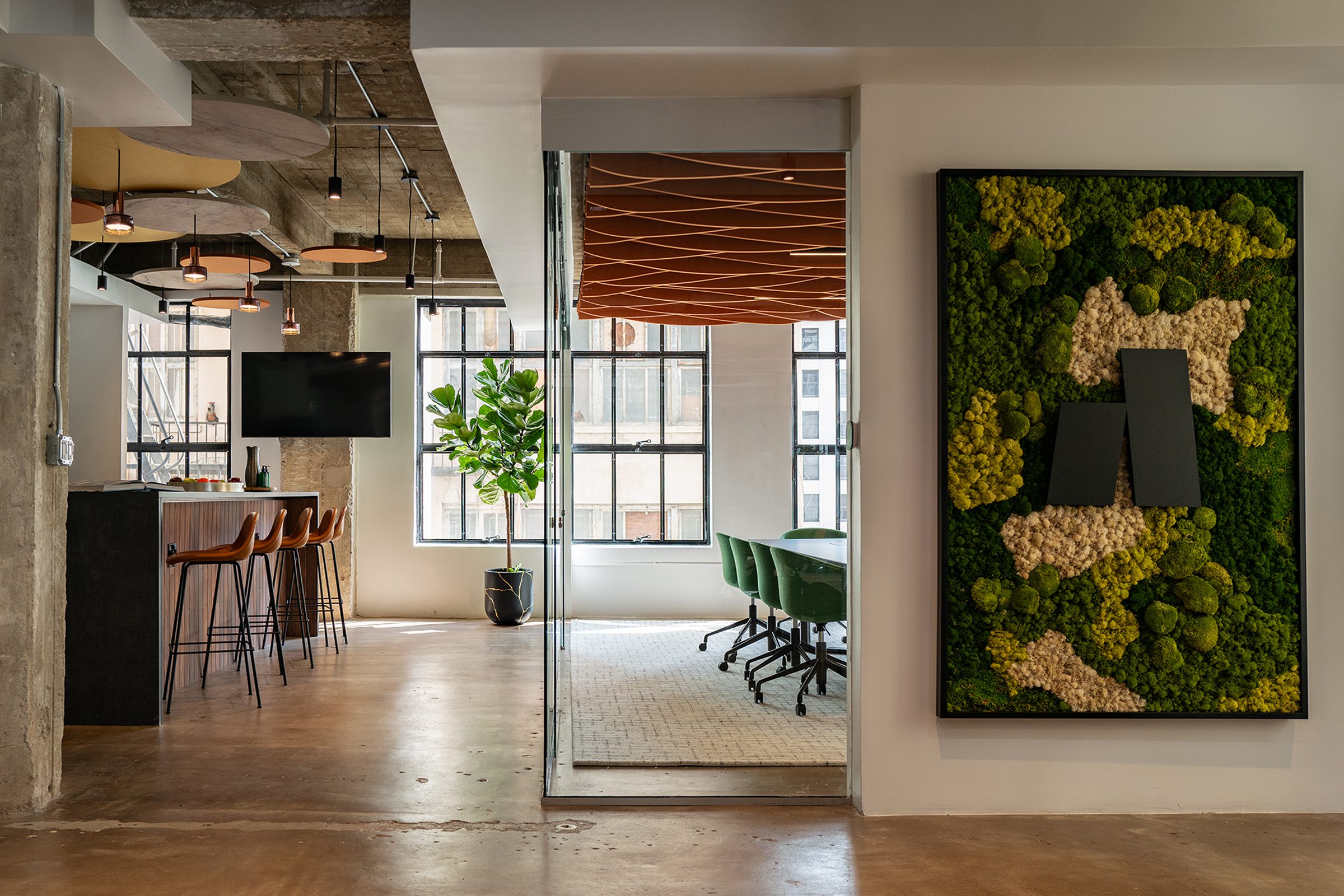
Acoustically treated commercial interior with layered materials
Acoustic environment · Autex, Los Angeles
Where It Shows Up

Four outcomes the research keeps landing on.

Output

Ergonomic seating and adjustable work surfaces reduce fatigue, so focus lasts longer and errors drop.

Task performance+11%
Sick leave-3.5 days/yr

Health

Low-VOC materials and properly fitted furniture cut the slow injuries that build up over years at a desk.

Strain injuries-26%
Absenteeism, biophilic design-25%

Retention

A well-built space signals investment in the people using it. That shows up in who stays and who applies.

Voluntary turnover-13%
Job satisfaction+24%

Cost of Ownership

Commercial-grade product outlasts residential-grade by years, and fewer replacements means the budget goes to improvement instead of repair.

Average furniture lifespan12+ years
Lifetime savings, certified product58%
Research to Spec

How a finding becomes a floor plan.

Evidence is only useful if it survives contact with your actual space, budget, and lease.

01

Name the Outcome

Focus time, retention, recovery, collaboration. We start with what the space has to change.

02

Match the Levers

Light, acoustics, ergonomics, layout, and materials each move different outcomes. We map which apply.

03

Spec the Products

Manufacturer lines chosen to the finding: acoustic ratings, ergonomic certifications, material content.

04

Prove It in the Room

Delivery, installation, walkthrough, and adjustment until the space does what the plan said it would.
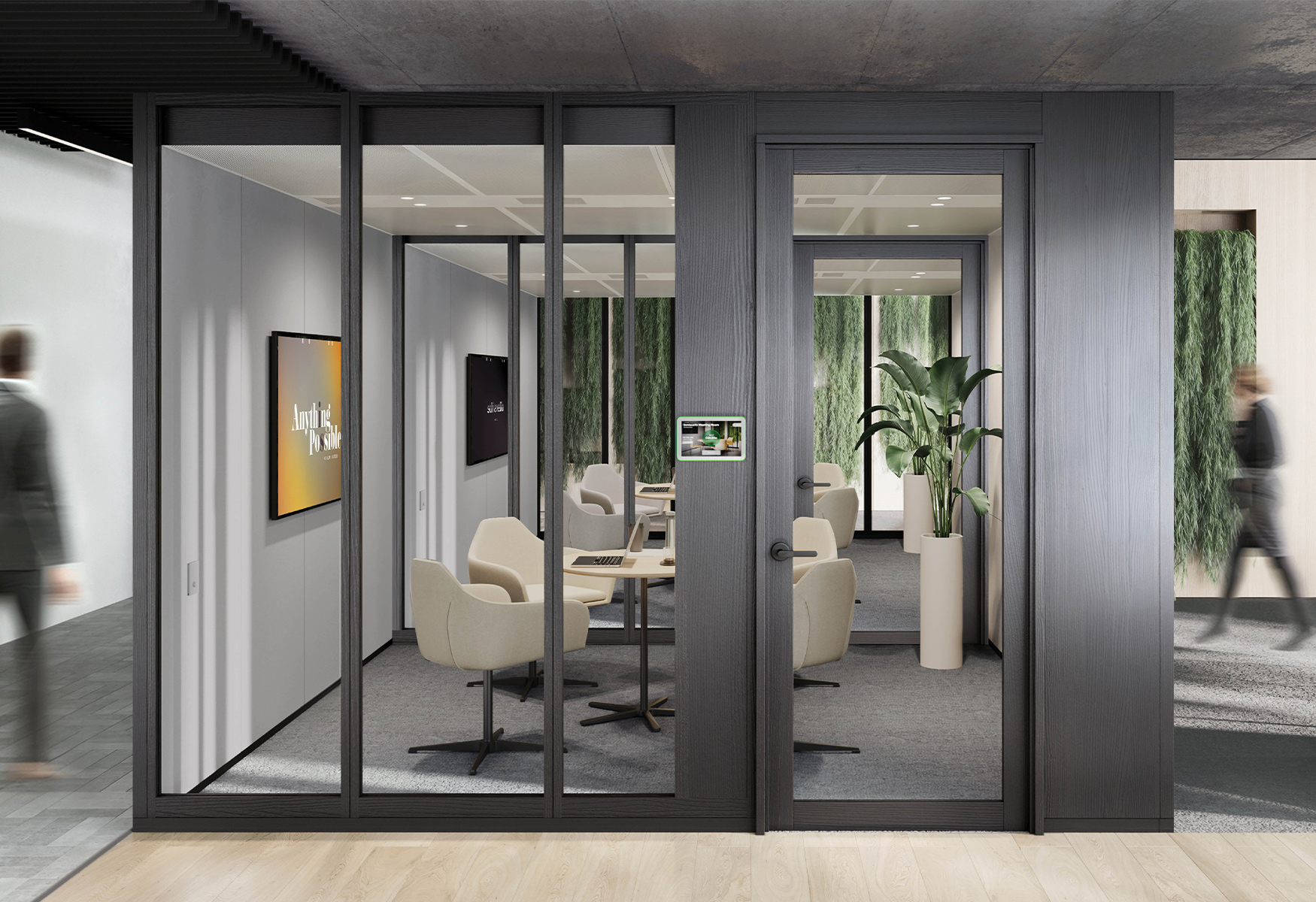
Enclosed meeting room within an open plan office
Meeting room, open plan · Schiavello
Pressure-Tested

The research, questioned.

Does workplace design actually affect employee performance?+
Yes. Gensler's 2026 Global Workplace Survey of 16,459 full-time office workers across 16 countries found that design quality directly shapes how people work, focus, and collaborate. Two-thirds of workers report hacking their workspace to compensate for deficiencies like poor ergonomics, inadequate privacy, or unmanageable noise. Well-designed, flexible furniture removes those workarounds.
What do workers actually want from their workspace?+
In Gensler's 2026 research, workers rank outdoor spaces, natural light, and environments that support creativity as their top future workplace priorities. Noise management and meeting space availability remain the most common unresolved problems. Both are addressable through furniture and layout: acoustic treatment, flexible seating, and rearrangeable meeting rooms close those gaps directly.
Which design factors predict a workplace that supports learning?+
Gensler's 2026 survey identified four: flexible furniture, manageable noise levels, rearrangeable meeting rooms, and access to recharge and focus spaces. All four are product-driven. Furniture selection is one of the most direct levers an organization has over how people develop skills and build relationships at work.
How is AI changing what offices need to do?+
Gensler's 2026 survey found that 30% of workers are now AI Power Users, people who use AI heavily and as a result spend less time on solo tasks and more time learning, socializing, and collaborating. Spaces that support learning, informal collaboration, and recharging become more valuable as AI absorbs routine work.
Why does furniture quality matter beyond the invoice?+
Because the workspace sends a signal. Commercial-grade furniture carries a 12+ year average lifespan with documented lifetime savings around 58% over lower-grade product. Ergonomic design reduces strain injuries by up to 26%, and biophilic design reduces absenteeism by 25%. The furniture you choose affects retention, performance, and how your organization reads to employees and visitors.
How do I know if my current furniture is working against my team?+
Watch for workarounds. Gensler found two-thirds of workers compensate for furniture deficiencies informally: monitors propped on books, personal cushions, earbuds worn all day to block noise. If your team does this consistently, the environment is fighting them. A space planning consultation identifies the gaps and specs the right products to close them.
Layered commercial interior with acoustic finishes
Start With Evidence

Tell us what the space has to change.

Focus, retention, recovery, speed. Bring the outcome and a floor plan, and we'll plan to the research. Based in Upstate NY, supporting projects nationwide.

Photography courtesy of Parlor City Furniture manufacturer partners: OFS · Autex · Schiavello · NxtWall · CARVART.

Start your project.

Send plans, photos, or project goals. We respond within one business day.
The more details you share, the faster we can help